










































Cameroon Peace Promotion Project (CP3)
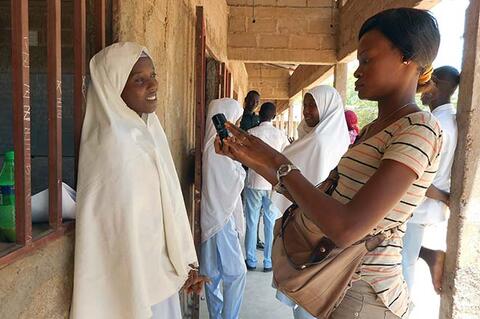
The Cameroon Peace Promotion Project (CP3) was an initiative designed to improve community resistance to violent extremist influence in the northern regions of Cameroon. Implemented between December 2015 and December 2017 by Equal Access, the project used radio programming and community engagement to improve access to factual information, reinforce community values of peace and tolerance, support moderate voices to mitigate extremist rhetoric, and promote dialogue in vulnerable communities on themes that can lead to conflict.
CP3 is based on the conviction that engaging media is one of the most powerful influences in today’s world, capable of transforming beliefs and empowering the collective will. Through building the capacity of local media outlets, producing quality radio programming coupled with community discussion groups, and training youth, women, and religious and community leaders, the project aimed to provide the tools through which communities in the North and Far North can sustain communication and support interactions that promote peace concepts.
The project started with Equal Access conducting an assessment of existing capacity and programmatic opportunities in the North and Far North regions, which served as the project baseline. In collaboration with the United Nations Educational, Scientific and Cultural Organization (UNESCO), which had previously supported community radio in Northern Cameroon through infrastructure improvement, twelve community radio stations were then identified as project partners.
Over the two years of the project, CP3 undertook the following:
- Built the capacity of media outlets in the North and Far North Regions through radio programming production, management training and mentoring, on-site facility rehabilitation, staff capacity building, and equipment support.
- Improved access to quality and credible information by teaching local producers how to create radio shows structured around community engagement and dialogue. These weekly shows focused on peacebuilding themes and were supported by community-based listening and discussion groups, community reporters, and a dedicated content advisory group.
- Supported positive dialogue in communities through listening group sessions, interactive feedback platforms feeding into radio production, and community events. Audiences engaged in radio programming through SMS (text) messaging, an interactive voice response system (automated telephone menus), and social media outreach. Community events were organised by the youth groups, women leaders, and listening groups.
- Expanded the peacebuilding capacity of youth, women, and community and religious leaders by training them in non-violent practices, conflict resolution, and decision-making skills.
- Strengthened the ability of local leaders to conduct public fora and town-hall discussions in order to sustain and promote dialogue within communities and increase media engagement.
Following the closure of the project in December 2017, the radio programming and partnerships established under this project will be absorbed into Equal Access’ regional Voices for Peace project.
Conflict and Peacebuilding
Located at a strategic crossroads within the Lake Chad basin, Northern Cameroon is marked by a diversity of ethnicities, languages, religions, and religious sects. Cameroon has historically been known as a country of inter-ethnic and religious tolerance and collaboration. Yet vast geographic inequalities in access to education, information, and livelihood opportunities have left the northern population, particularly women and youth, marginalised, under-served, and neglected. The result is a people in critical need of access to information and education.
The project is a new component of the US Agency for International Development (USAID)’s support to the Trans-Sahara Counterterrorism Partnership, which aims to reduce sympathy and support for violent extremist organisations and improve relationships between government entities and the communities they serve.
Equal Access and funded by USAID
Equal Access website and USAID website on January 17 2018.
- Log in to post comments